
Aktivitäten in Jiyuan
Entdecke die besten Erlebnisse
Top 10 Attraktionen in Jiyuan


Wangwu Mountain Scenic Area
Der Wangwu-Berg, gelegen in Jiyuan in der Provinz Henan, ist ein berühmter ökologischer und kultureller Berg, der mehrere Auszeichnungen trägt, darunter den Titel eines UNESCO-Geoparks, eines nationalen Landschaftsgebiets und eines nationalen Naturschutzgebiets für Taihang-Makaken. Die Touristenattraktion erstreckt sich über eine Gesamtfläche von 10,49 Quadratkilometern und besteht aus acht Hauptbereichen: dem Empfangsplatz, der Wangwu Altstadt, dem Yangtai-Palast, dem Chinesischen Yugong-Dorf, dem Medizinkönig-Tal, dem Geologiemuseum, dem Himmelstempel-Pfad und dem Himmelstempel-Gipfel. Als eine bergige Touristenattraktion mit hohem ökologischem und kulturellem Wert vereint der Wangwu-Berg perfekt geologische Wunder von hunderten Millionen Jahren mit kulturellen Relikten von zehntausenden Jahren. Hier finden sich nicht nur hochwertige touristische Ressourcen wie die T-förmige Diskordanz-Felswand, der national geschützte Yangtai-Palast und die national anerkannte Wangwu Altstadt als nächtliche Kultur- und Tourismuszone, sondern der Berg gilt auch als Ursprungsort des Yugong-Geistes, der Berge versetzt, und als eine der Wurzeln der chinesischen Schöpfungskultur. Der Dichter Li Bai pries den Wangwu-Berg einst mit den Worten: "Hohe Berge, lange Flüsse, unzählige Naturschönheiten." Der Hauptgipfel, der Himmelsaltar-Gipfel, liegt auf einer Höhe von 1.715 Metern und gilt als der Ort, an dem der legendäre Urkaiser Huangdi der chinesischen Kultur Opferzeremonien für den Himmel abhielt. Er wird oft als "Rückgrat des Taihang-Gebirges" und "Säule zwischen Himmel und Erde" bezeichnet. Die Touristenattraktion weist eine Waldbedeckung von 98 % auf und bietet eine hervorragende ökologische Umwelt. Sie ist ein idealer Ort, um geologische Geheimnisse zu erkunden, tausendjährige kulturelle Traditionen zu erleben und die Schönheit der Natur in vollen Zügen zu genießen.Jiyuan · 30,9 km vom Stadtzentrum

Yellow River Three Gorges Scenic Area
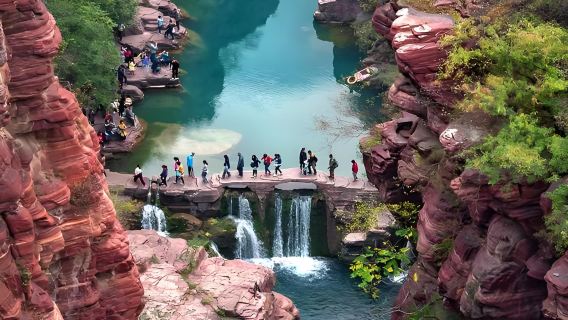
Die Touristenattraktion Drei-Schluchten des Gelben Flusses befindet sich 20 Kilometer flussaufwärts vom Xiaolangdi-Damm und ist das Highlight des Xiaolangdi-Stausees. Die Attraktion besteht aus Sehenswürdigkeiten wie der Gushan-Schlucht, der Longfeng-Schlucht und der Bali-Schlucht. Die harmonische Verbindung von Bergen und Wasser schafft eine majestätische und beeindruckende Landschaft, die fast mit den Drei Schluchten des Yangtze-Flusses vergleichbar ist. Die Besichtigungsroute der Touristenattraktion kann in Wasser- und Landwege unterteilt werden. Touristen können entweder eine Bootsfahrt unternehmen und die malerische Landschaft beiderseits der Drei Schluchten genießen oder mit der Seilbahn fahren und die faszinierenden Höhlen und paradiesischen Orte erkunden. In der Touristenattraktion gibt es auch aufregende und adrenalingeladene Aktivitäten wie Höhlenrafting und Hochseilrutschen, die perfekt für Freizeit und Unterhaltung sind.Jiyuan · 41,5 km vom Stadtzentrum

Wulongkou Scenic Area
Das Landschaftsgebiet Wulongkou befindet sich in der Stadt Wulongkou in Jiyuan. Bereits in der Qin-Dynastie wurde hier der Qin-Kanal am Austritt des Qin-Flusses aus den Bergen angelegt, um Wasser zur Bewässerung der Felder abzuleiten. Das Gebiet gliedert sich in fünf Hauptbereiche: die heißen Quellen, Pangu, den Qin-Fluss, den Chouergou und den Baijiangou. Wulongkou ist auch ein Naturschutzgebiet für Makaken und verfügt über reiche Thermalquellenressourcen. Es ist ein bergiges Landschaftsgebiet, das besonders für seine Makaken und heißen Quellen bekannt ist und sich ideal für Erholungsurlaube eignet. Das Landschaftsgebiet Wulongkou erstreckt sich von Westen nach Osten und umfasst die Touristenattraktionen Pangu, Mihe, die heißen Quellen, Chouergou sowie das Baiyangluo-Gebirge. Die malerische Landschaft mit klarem Wasser und grünen Bergen bietet nicht nur eine atemberaubende Naturkulisse, sondern auch zahlreiche kulturelle Sehenswürdigkeiten. Dazu gehören die Ruinen eines Wasserbauprojekts aus der Qin-Dynastie, der beschauliche Pangu-Tempel, die über zehn Kilometer lange Cao-Wei-Holzplankenstraße aus alter Zeit, Sima Yis geheime Truppenverstecke, der noch immer charmante Garten der Prinzessin Qinshui, der Xiangyan-Tempel und der Yuan-Gong-Schrein, die den Besuchern ein vielfältiges Erlebnis bieten. Nachdem Touristen das Landschaftsgebiet betreten haben, können sie mit einem Elektrobus zum Fuß des Affenberges fahren. Von dort aus dauert der Fußweg zum Gipfel etwa eine Stunde. Alternativ können Touristen den direkten Aufzug der Touristenattraktion nutzen, um den Gipfel zu erreichen, und dann mit der Rodelbahn wieder hinunterfahren. Die Rodelbahn ist sehr aufregend und besteht aus drei Abschnitten, wobei Handschuhe und Schutzpolster gekauft werden müssen. Die Kosten für Aufzug und Rodelbahn sind nicht im Hauptticket der Touristenattraktion enthalten. Im Makakenpark und anderen Bereichen der Attraktion sind viele Affen zu sehen. Diese Affen sind niedlich, aber auch wild. Touristen sollten ihre Taschen im Auge behalten und Lebensmittel nicht offen zeigen, um zu vermeiden, dass die Affen nach dem Essen schnappen. Die Stadt Wulongkou neben dem Landschaftsgebiet nutzt die Thermalquellenressourcen, um ein Thermalbad-Resort und entsprechende Freizeit- und Urlaubseinrichtungen zu errichten.Jiyuan · 16,9 km vom Stadtzentrum

White Horse Temple
Der Weiße-Pferd-Tempel wurde im 11. Jahr der Yongping-Ära der Östlichen Han-Dynastie (68 n. Chr.) erbaut und ist der erste von der Regierung errichtete Tempel nach der Einführung des Buddhismus in China. Er wird seit jeher als "Wiege des chinesischen Buddhismus" und "Ursprung der buddhistischen Lehre" verehrt. Der Legende nach erhielt der Tempel seinen Namen aufgrund der Geschichte "Das weiße Pferd trägt die Sutren". Der Weiße-Pferd-Tempel wurde durch Kriege mehrfach zerstört und wiederaufgebaut. Heute ist die Touristenattraktion nicht sehr groß, sodass man sie problemlos zu Fuß erkunden kann. Die Besucher betreten den Tempel durch das Bergtor. Das Bergtor wurde in der Ming-Dynastie erbaut, und die steinernen Pferdeskulpturen auf beiden Seiten des Tors sind Relikte aus der Song-Dynastie. Im Tempel befinden sich fünf große Hallen, die entlang einer zentralen Achse angeordnet sind. Die Haupt- und zweite Halle ist die Große Buddha-Halle, die auch der Hauptort für buddhistische Zeremonien ist. In der dritten Halle, der Großen Helden-Halle, befindet sich der "Schatz des Tempels" – die "Trockenlack-Statuen" aus der Yuan-Dynastie. Die 23 "Trockenlack-Statuen" aus der Yuan-Dynastie in der Halle sind alle unterschiedlich gestaltet und bestehen aus Seide und Hanf. Jede Statue wiegt nur 3 bis 5 Kilogramm und hat seit über 700 Jahren seit der Yuan-Dynastie keine Restaurierung erfahren, behält aber dennoch ihre ursprünglichen Farben. Im Weißen Pferd-Tempel sind über 40 Stelen aus verschiedenen Dynastien seit der Tang-Zeit erhalten, wobei die von dem Yuan-Kalligraphen Zhao Mengfu handgeschriebene "Aufzeichnung über den Ursprungstempel des Weißen Pferd-Tempels in Luoyang" (östlich des Bergtors) besonders wertvoll ist. In der Touristenattraktion gibt es auch drei Grabstätten, die einen Besuch wert sind: die Gräber der beiden indischen Mönche She Moteng und Zhu Falan (innerhalb des Bergtors auf der Ost- und Westseite) sowie das Grab des Ministers Di Renjie. Es gibt jedoch auch eine Theorie, dass in "Di Renjies Grab" nicht der Minister Di, sondern Xue Huaiyi, der "Favorit" von Kaiserin Wu Zetian, begraben liegt. Xue Huaiyi war einst Abt des Weißen Pferd-Tempels. Etwa 200 Meter südöstlich des Bergtors steht der Qiyun-Pagode, der in der östlichen Han-Dynastie erbaut und in der Jin-Dynastie renoviert wurde. Er ist eines der wenigen erhaltenen Bauwerke aus der Jin-Dynastie in der zentralen Ebene Chinas. Heute wurde neben dem Weißen Pferd-Tempel ein neuer "Ausstellungsbereich für buddhistische Tempel aus aller Welt" errichtet, der buddhistische Tempel im Stil verschiedener Länder wie Indien, Thailand, Sri Lanka, Nepal, Myanmar, Japan und Südkorea präsentiert.Luoyang · 38,4 km von Jiyuan

Jidu Temple
Der Jidu-Tempel, vollständiger Name Jidu Beihai-Tempel, befindet sich im Nordwesten von Jiyuan, am Ursprung des Jishui-Flusses. Er ist ein gut erhaltenes und großflächiges historisches Kulturerbe der alten „Vier Flüsse“ und zugleich der größte erhaltene antike Gebäudekomplex in der Provinz Henan. Er wird als „Museum“ der antiken Architektur Zentralchinas bezeichnet. Der Jidu-Tempel wurde im zweiten Jahr der Kaihuang-Ära der Sui-Dynastie (582 n. Chr.) erbaut und diente der Verehrung des Jidu-Gottes, einem der „Vier Großen Flussgötter“. Die Tradition der Opferriten reicht weit zurück. In der antiken, landwirtschaftlich geprägten Gesellschaft waren die Produktivität äußerst niedrig und die Wissenschaft wenig entwickelt. Die Menschen konnten viele Naturphänomene nicht erklären und erfanden daher verschiedene Berg- und Flussgottheiten, die für Regen und eine gute Ernte verantwortlich sein sollten. Daher war die Vergöttlichung und Verehrung ein zeremonieller Akt der Kaiser durch die Dynastien hindurch, mit komplexen Abläufen und zahlreichen Ritualen. Der Jidu-Fluss wurde ursprünglich als „Großer Nördlicher Flussgott“ bezeichnet. Im dritten Jahr der Tianbao-Ära unter Kaiser Xuanzong der Tang-Dynastie (744 n. Chr.) wurde er zum „Qingyuan-Gong“ ernannt. Im zwölften Jahr der Zhenyuan-Ära der Tang-Dynastie (796 n. Chr.) wurde aufgrund der schwierigen Erreichbarkeit des Nordmeers, das weit in der Wüste lag, hinter dem Jidu-Tempel ein Nordmeer-Schrein errichtet. Im siebten Jahr der Xuanhe-Ära unter Kaiser Huizong der Song-Dynastie (1125 n. Chr.) wurde der Jidu-Gott zum „Qingyuan Zhonghu Wang“ und der Nordmeer-Gott zum „Beiguangze Wang“ ernannt. Seit der Sui-Dynastie entsandten Kaiser Gesandte, um große Opferzeremonien abzuhalten, eine Tradition, die bis in die Qing-Dynastie andauerte. Der Jidu-Tempel ist nach Süden ausgerichtet, weist in seiner Gesamtanordnung eine „Jia“-Form auf und erstreckt sich über eine Gesamtfläche von mehr als 80.000 Quadratmetern. Die Hauptgebäude sind entlang dreier Längsachsen angeordnet: vorne der Jidu-Tempel, dahinter der Beihai-Schrein, im Osten der Yuxiang-Hof und im Westen der Tianqing-Palast. Mit seinen zahlreichen roten Toren, tiefen Innenhöfen, hoch aufragenden alten Zypressen, einer Vielzahl von Stelen, umgeben von grünem Wasser, gewundenen Pfaden, Pavillons und Terrassen, die ineinander übergehen, ist er nicht nur ein bedeutender Ort für antike Opferrituale, sondern auch ein klassisches Beispiel für einen Gartenbau im Norden Chinas.Jiyuan · 4,9 km vom Stadtzentrum

Xiaogoubei Scenic District
Das Landschaftsgebiet Xiaogoubei ist eine Mittelgebirgslandschaft im Herzen des noch erhaltenen Urwalds Nordchinas und besteht aus drei Teilen: dem Milchstraßental, dem Aobei-Berg und dem Dailuo-Grat. Es ist das Herzstück des weltweiten Geoparks Wangwushan und wird als „Heimat der chinesischen Nuwa-Mythologie“ bezeichnet. Während der Entstehung des Wangwushan-Bergs aus dem Meer bildete sich in Xiaogoubei ein geologisches Wunder – vulkanische Lava, die von marinen Sedimentgesteinen überlagert wurde. Das Tal ist übersät mit bunten Steinen in allen Formen und Größen, von hausgroßen Felsen bis zu vogel-eigroßen Kieseln, und wird daher bildhaft „Buntsteintal“ genannt. Zu den Hauptattraktionen zählen der Steinhaufen-Höhle, der Siebenstufen-Wasserfall, der Phönix-Pavillon, der Qinglong-Wasserfall, der Drachenkanal-Phönixteich, die Milchstraßenschlucht, der Fuxi-Pavillon, der Himmelsfluss, der Nuwa-Tempel, der Taiji-Stein, der Vier-Symbole-Stein und der Mondbetrachtende-Goldkröte-Stein. Der Aobei-Berg, ein endloses Kiefernmeer mit 1929 m Höhe, ist der höchste Punkt der Attraktion und thront majestätisch über den Gipfeln. Seine Spitze aus Sedimentsandstein ähnelt aus der Ferne einer schwebenden, beinlosen Schildkröte. Der Dailuo-Grat liegt auf 1700 m Höhe und hat eine flache Spitze, die im Volksmund „45-Meilen-Pferdepfad“ genannt wird.Jiyuan · 43,9 km vom Stadtzentrum

Longmen Grottoes
Die Longmen-Grotten, die zum UNESCO-Weltkulturerbe gehören, sind eine Sehenswürdigkeit in Luoyang, Henan. Durch den Fluss Yi geteilt, bestehen die Grotten aus einem westlichen und einem östlichen Teil. Die östlichen Grotten stammen größtenteils aus der Tang-Dynastie, während die westlichen Grotten aus der Nördlichen Dynastie sowie der Sui- und Tang-Zeit stammen und den Höhepunkt der Longmen-Grotten darstellen. Dazu zählen der große Buddha Vairocana im Fengxian-Tempel und die „Zwanzig Meisterwerke von Longmen“ in der Guyang-Höhle. N Gründe, die Longmen-Grotten zu besuchen 1. Weltkulturerbe entdecken Die Longmen-Grotten, ein UNESCO-Weltkulturerbe, haben eine lange Geschichte und einen tiefen kulturellen Hintergrund. Es begann mit der Verlegung der Hauptstadt nach Luoyang durch Kaiser Xiaowen der Nördlichen Wei-Dynastie und der Eröffnung der Guyang-Höhle am Westberg von Longmen. Über einen Zeitraum von mehr als 400 Jahren und durch den kontinuierlichen Bau während sieben Dynastien entstand das heute sichtbare, episch grandiose Felsrelief – die Longmen-Grotten. Die Longmen-Grotten umfassen heute 2345 Nischen und Höhlen, über 2800 Inschriften und Steintafeln, mehr als 70 Buddhastupas und über 100.000 Skulpturen. Wenn Sie Longmen betreten, betreten Sie einen tausendjährigen Kunstschatz. Die atemberaubende Schnitzkunst wird Sie zutiefst beeindrucken und Ihnen ein visuelles Fest bereiten. 2. Die Kraft des Glaubens aus der Perspektive buddhistischer Höhlenskulpturen Die Höhlenskulpturen sind wertvolle Relikte der buddhistischen Kunst. Die mitfühlenden und vielfältig gestalteten Buddha- und Bodhisattva-Skulpturen in den Longmen-Grotten verwandeln die kalten Höhlen durch die fromme Verehrung der Gläubigen und das meisterhafte Können der Handwerker in einen würdevollen, feierlichen und doch warmen, friedlichen Tempel, der den Gläubigen die Hoffnung auf das reine Land des Buddha vermittelt. 3. Für Frieden und Sicherheit von Familie und Freunden beten Die Longmen-Grotten sind seit jeher ein heiliger Ort für Gebete und Wünsche. Sowohl Mitglieder der kaiserlichen Familie als auch einfache Bürger kommen hierher, um ihre tiefsten Wünsche zu äußern. Angesichts der zehntausend Buddha-Statuen in den beiden Bergen kann man zur Ruhe kommen und aufrichtige Gebete sprechen. Vielleicht werden die schönen Wünsche in naher Zukunft in Erfüllung gehen. 4. Genießen Sie die malerische Schönheit der Berg- und Wasserlandschaften Die "Landschaft des Longmen-Bergs" gilt seit jeher als die erste der acht Sehenswürdigkeiten von Luoyang. Der Dichter Bai Juyi sagte einst: "Unter den malerischen Bergen und Flüssen der vier Seiten Luoyangs steht Longmen an erster Stelle." Hier sind die Berge grün und das Wasser klar, mit üppigen Kiefern und Zypressen. Zwischen den beiden Bergen schimmert der Yi-Fluss mit smaragdgrünen Wellen, dessen seidenglatte Oberfläche sanfte Wellen wirft – ein wahrhaft bezaubernder Anblick. Reise-Tipps Besichtigungsroute Die Longmen-Grotten sind mit einer festen Besichtigungsroute geplant: Westliche Grotten – Östliche Grotten – Xiangshan-Tempel – Bai-Garten. Wenn man der Route in eine Richtung folgt, kann man die gesamte Touristenattraktion in etwa einem halben Tag erkunden. Dadurch vermeidet man unnötige Rückwege und verläuft sich nicht. Westliche Berghöhlen: Der beeindruckendste Teil der Longmen-Grotten Die Westberg-Grotten wurden während der Nördlichen Dynastien sowie der Sui- und Tang-Dynastie angelegt und stellen den herausragendsten und vollständigsten Teil der Longmen-Grotten dar. Besonders bekannt sind die Vairocana-Buddha-Statue im Fengxian-Tempel und die "Zwanzig Meisterwerke von Longmen" in der Guyang-Höhle. Der Legende nach wurde die über 17 Meter hohe Vairocana-Buddha-Statue nach dem Abbild von Kaiserin Wu Zetian gestaltet. In der Wanfo-Höhle (Höhle der Zehntausend Buddhas) sind an den nördlichen und südlichen Wänden 15.000 kleinere Buddha-Statuen in gleichmäßigen Reihen angeordnet. Jede dieser dicht gedrängten Statuen, etwa faustgroß, ist äußerst lebensecht dargestellt. Bootsfahrt auf dem Yi-Fluss: Genießen Sie die malerische Landschaft an beiden Ufern Nach dem Verlassen der westlichen Grotten überquert man eine Brücke über den Yi-Fluss und gelangt zu den östlichen Grotten. Von der Brücke aus bietet sich ein hervorragender Blick auf die ferne Longmen-Brücke und die Grotten an beiden Ufern. Zusätzlich kann man an den Anlegestellen Fengxian-Tempel und Lifo-Plattform im Touristenattraktion eine Bootsfahrt unternehmen, um die malerische Landschaft entlang der Ufer vom Wasser aus zu genießen. Östliche Berghöhlen: Mit Blick auf die westlichen Höhlen jenseits des Yi-Flusses Im Vergleich zu den westlichen Grotten sind die östlichen Grotten etwas kleiner und weniger von Touristen besucht. Falls Sie nach der Besichtigung der westlichen Grotten bereits müde sind, können Sie hier einen kurzen Blick werfen. Von den östlichen Grotten aus haben Sie verschiedene Blickwinkel auf die gegenüberliegenden westlichen Grotten, insbesondere auf die Panoramaansicht des großen Buddha Vairocana. Kostenloses Wi-Fi verfügbar: Scannen Sie den QR-Code für den Audioguide Die Longmen-Grotten sind eine bargeldlose Touristenattraktion. Von Tickets für die Sehenswürdigkeit und Elektrobusse über Bootsfahrten, Buchungen für Führungen durch die Sehenswürdigkeit, dem Kauf von Souvenirs bis hin zu Parkgebühren – alles, was Sie sich vorstellen können, kann in den Longmen-Grotten komplett bargeldlos bezahlt werden. Einfach den WeChat-QR-Code scannen und fertig. In der Touristenattraktion gibt es außerdem kostenloses Wi-Fi, und an fast jeder Sehenswürdigkeit kann man einen QR-Code scannen, um den Audioguide zu hören, was sehr praktisch ist. Die Touristenattraktion hat auch Fotopunkte markiert, die als Referenz für fotobegeisterte Reisende dienen. Buddha-Statue entschlüsseln Der Große Buddha von Lushena: Ein Lächeln über die Jahrtausende Der Fengxian-Tempel ist eine repräsentative Felsennische der Longmen-Grotten, und die Vairocana-Buddha-Statue im Fengxian-Tempel ist das Beste der Besten. Jeder, der die Longmen-Grotten besucht hat, wird von der majestätischen Größe der Vairocana-Buddha-Statue beeindruckt sein. Diese große Buddha-Statue ist vollständig gestaltet und strahlt eine würdevolle und friedvolle Atmosphäre aus. Bei genauer Betrachtung kann man sogar ein leichtes Lächeln auf dem Gesicht des Buddha erkennen, was ihn freundlich und bescheiden wirken lässt. Daher wird er auch als "die Mona Lisa des Ostens" bezeichnet. Einer Legende zufolge wurde die Vairocana-Buddha-Statue nach dem Aussehen der Kaiserin Wu Zetian aus der Tang-Dynastie geformt. Heutzutage stellen sich viele Besucher die Frage, warum der größte Teil der Buddha-Statue gut erhalten ist, nur die Hände fehlen. Tatsächlich geschah dies 1934, als ein Kurator des Metropolitan Museum of Art in den USA, Alan Priest, nach China reiste, um kulturelle Schätze zu sammeln. Dieser sogenannte "Kunstexperte" machte es sich zur Berufung, antike chinesische Kulturgüter zu sammeln und zu stehlen. Auf seiner Reise stahl er zahlreiche Buddha-Köpfe und Schätze aus den Longmen- und Yungang-Grotten. Als er den Großen Buddha von Vairocana sah, war er zwar von der exquisiten Kunstfertigkeit der Statue fasziniert, aber aufgrund ihrer Größe konnte er sie nicht stehlen. Stattdessen ließ er einfach die Hände der Statue abschlagen und mitnehmen. Wer die Buddha-Hände heute sehen möchte, muss das Metropolitan Museum in den USA besuchen. "Victory"-Bodhisattva: Die niedlichste Buddha-Statue aller Zeiten Im Jahr 2014 verbreitete sich im Internet ein Bericht über die "niedlichste Buddha-Statue aller Zeiten". Dabei handelte es sich um eine tausend Jahre alte Buddha-Statue in der Bin-Yang-Nord-Höhle der Longmen-Grotten. Die Statue zeigt eine ungewöhnliche Geste: Der rechte Zeige- und Mittelfinger sind aufgestellt, genau wie das moderne "Victory"-Zeichen (auch bekannt als "Peace"-Zeichen), weshalb sie scherzhaft als "Victory"-Bodhisattva bezeichnet wird. Netizen kommentierten humorvoll, dass die Künstler vor über tausend Jahren so weitsichtig gewesen sein müssen, dass sie wussten, das Victory-Zeichen würde ein Jahrtausend später weltweit populär werden. Tatsächlich handelt es sich bei dieser Geste um ein buddhistisches Mudra (symbolische Handgeste). Buddhistische Praktizierende führen während ihrer Übungen verschiedene Handhaltungen aus, begleitet von Rezitationen buddhistischer Sutras, um ihr spirituelles Ziel schneller zu erreichen. Die als "Victory-Zeichen" von Netizen bezeichnete Buddha-Geste ist ein äußerst seltenes buddhistisches Mudra, das möglicherweise mit der esoterischen Praxis der Tang-Dynastie in Verbindung steht und den starken Willen zur spirituellen Erleuchtung symbolisiert. Wissenswertes: F: Was sind Grotten? A: Grotten sind Klöster, die in Felsen oder an Berghängen errichtet wurden und ihren Ursprung im alten Indien haben. F: Warum befinden sich buddhistische Übungsstätten oft in Felswänden? A: (1) Aufgrund des feuchtheißen Klimas und der langen Monsunzeit in Indien, die beide nicht förderlich für spirituelle Praxis sind, suchten die Menschen dort bereits in frühen Zeiten natürliche Höhlen auf, die im Winter warm und im Sommer kühl waren, um darin zu leben, zu meditieren und Körper sowie Geist zu stärken; (2) In der buddhistischen Kultur gilt der Berg Meru als das Zentrum des Universums, auf dem die Götter wohnen. Daher hat das Anlegen von Höhlen in Bergen und das Praktizieren in diesen Höhlen eine heilige symbolische Bedeutung.Luoyang · 58,6 km von Jiyuan

Sui And Tang Dynasties Luoyang City Yingtian Gate Site
Die Ruinen des Yingtian-Tors der Sui-Tang-Stadt Luoyangist das südliche Haupttor des Kaiserpalastes von Luoyang aus der Sui- und Tang-DynastieErbaut im ersten Jahr der Daye-Ära der Sui-Dynastie, also im Jahr 605 n. Chr., durchlief es vier Perioden: Sui, Tang, Fünf Dynastien und Nördliche Song. Im zweiten Jahr der Jianyan-Ära der Südlichen Song-Dynastie, 1128, wurde es von den Jin-Truppen niedergebrannt und war insgesamt 523 Jahre in Gebrauch. Die Ruinen des Yingtian-Tors der Sui-Tang-Stadt Luoyang waren ein wichtiger Ort für große staatliche Feierlichkeiten und diplomatische Veranstaltungen. Anlässe wie Neujahr, Wintersonnenwende, Musikdarbietungen, Bankette, Begnadigungen, der Wechsel des Alten durch das Neue sowie die Empfänge von Tributgesandten und ausländischen Gästen fanden hier statt, wobei der Kaiser hier Audienzen abhielt. Die Funktion war vergleichbar mit dem heutigen Wu-Tor in Peking. Dieses Tor war Zeuge bedeutender Ereignisse wie der Thronbesteigung von Kaiser Yang Guang der Sui-Dynastie in der östlichen Hauptstadt, der Begnadigung des Königs von Baekje durch Kaiser Gaozong der Tang-Dynastie, der Krönung der Kaiserin Wu Zetian und des Empfangs der achten japanischen Gesandtschaft durch Kaiser Xuanzong der Tang-Dynastie. Während des Laternenfestes fanden auf dem Platz vor dem Yingtian-Tor prächtige Theateraufführungen statt, die sich bei besonderen Anlässen bis zum südlichen Haupttor der Außenstadt, 4 Kilometer entfernt, erstreckten. Der Name der Ruinen des Yingtian-Tors der Sui-Tang-Stadt Luoyang änderte sich in verschiedenen Perioden: Bei seiner Errichtung in der Sui-Dynastie wurde es nach einem Zitat aus den Analekten des Konfuzius „Wei tian wei da, wei Yao ze zhi“ („Der Himmel ist groß, und Yao folgte ihm“) benannt, was „Dem Himmel folgend“ bedeutet, daher der Name „ZetianTor"; im ersten Jahr der Shenlong-Ära (705 n. Chr.) während der Regierungszeit von Kaiser Zhongzong Li Xian der Tang-Dynastie, wurde es zur Vermeidung des Ehrennamens von Kaiserin Wu "Zetian Dasheng Huangdi" umbenannt inYing-Tian-TorWährend der Kaiyuan-Ära von Kaiser Xuanzong der Tang-Dynastie wurde dieser Turm in "Fünf-Phönix-Turm" umbenannt, ein Name, der bis zur Fünf-Dynastien- und Nördlichen Song-Zeit beibehalten wurde. Ende der Nördlichen Song-Dynastie fielen die Jin-Truppen in die Zentralchinesische Ebene ein, und Luoyang wurde zum Schlachtfeld, das schwer beschädigt wurde. Die Jin-Truppen steckten diesen über 530 Jahre lang blühenden Turm in Brand.Die Sui-Tang-Stadt LuoyangDie Ruinen des Yingtian-Tors der Sui-Tang-Stadt Luoyang sind allmählich aus dem Blickfeld der Menschen verschwunden. Die Ruinen des Yingtian-Tors der Sui-Tang-Stadt Luoyang sind von beeindruckender Größe und Majestät und gehören zu den Bauwerken der traditionellen chinesischen Etikette, die Status und Rang demonstrieren. Der "Yuan Henan Zhi" verzeichnet: "Das Haupttor des Palastes heißt Zetian-Tor, das Tor hat zwei Aussichtspunkte, der obere heißt Zihui-Aussichtspunkt, links und rechts verbunden mit Türmen, die Türme sind 120 Fuß hoch." Nach der Berechnung eines Fußes in der Tang-Dynastie mit 29,4 cm entspricht dies heute etwa 36 Metern. Dieses monumentale Stadttor war etwa so hoch wie ein heutiges 12- bis 13-stöckiges Gebäude. Der Tang-Dichter Bai Juyi blickte einst von den Ruinen des Yingtian-Tors der Sui-Tang-Stadt Luoyang nach Süden und dichtete: "Die Longmen-Berge stehen sich gegenüber wie grüne Augenbrauen, der Yi-Fluss zieht sich wie ein goldener Faden dahin." Von den Ruinen des Yingtian-Tors der Sui-Tang-Stadt Luoyang aus konnte man das Longmen Yi-Tor in 15 km Entfernung sehen, was die majestätische Weite der Ruinen des Yingtian-Tors der Sui-Tang-Stadt Luoyang verdeutlicht.Luoyang · 45,2 km von Jiyuan

Sui and Tang Luoyang City National Heritage Park
Der Nationale Ruinenpark der Sui- und Tang-Dynastie in Luoyang befindet sich im "Herzen" der Stadt Luoyang. Der Park war einst das Kerngebiet der Palastruinen aus der Sui-, Tang-, Fünf-Dynastien- und Song-Zeit und ist in vier Eingänge unterteilt: Ost, West, Süd und Nord. Als Ort des Thronsaals, wo Chinas einzige Kaiserin Wu Zetian gekrönt wurde, bewahrt der Nationale Ruinenpark der Sui- und Tang-Dynastie in Luoyang den kaiserlichen Palast aus der Zeit von Wu Zetian vollständig –MingtangDas höchste antike Gebäude im alten China – der 120 Meter hohe Himmelstempel. Sui-Tang LuoyangErbaut im ersten Jahr der Regierungszeit von Kaiser Yang der Sui-Dynastie (605 n. Chr.), erlebte es seine Blütezeit während der Tang-Dynastie, insbesondere unter der Herrschaft der Kaiserin Wu Zetian, und blickt auf eine über 1400-jährige Geschichte mit tiefgreifendem historischem und kulturellem Wert zurück. Es war einst das Zentrum des Großen Kanals der Sui-Dynastie in China, der östliche Ausgangspunkt der Seidenstraße, verfügte über ein ausgeklügeltes System der Luonan-Bezirke, eine majestätische städtische Hauptachse und zahlreiche berühmte Gärten bedeutender Persönlichkeiten.Luoyang · 45 km von Jiyuan

Luoyi Ancient City
Die alte Stadt Luoyi befindet sich im Altstadtbezirk von Luoyang und strahlt mit ihren zahlreichen historischen Relikten einen zeitlosen Charme aus. "Luoyi" ist der alte Name von Luoyang, das als Hauptstadt dreizehn Dynastien diente und reich an chinesischer Kultur ist. Ein Spaziergang durch die alte Stadt offenbart überlappende Dächer, malerische Stadtmauern, historische Höfe und alte Bäume, die alle unvergessliche Eindrücke hinterlassen. Pavillons, Brücken und plätschernde Bäche verleihen dem Ort eine friedvolle Atmosphäre. Sehenswürdigkeiten wie der Wenfeng-Turm, der Konfuziustempel und der Tuoling-Palast spiegeln das tiefgreifende historische und kulturelle Erbe Luoyangs wider.Luoyang · 44,3 km von Jiyuan
Erlebnisse in Jiyuan, die du nicht verpassen darfst
Ausgewählte Kulturelle Erlebnisse in Jiyuan
Alle Kulturelle Erlebnisse anzeigen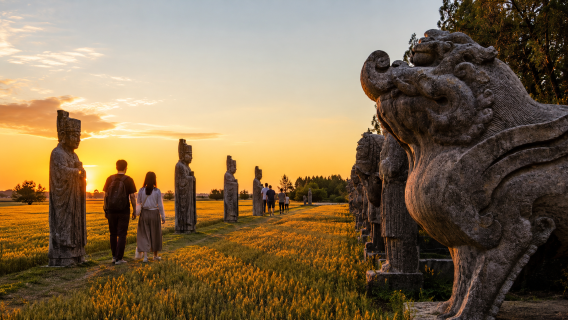
Kostenlose Stornierung
Sofortige Bestätigung
Jetzt für morgen buchen
ab 44,63 $

ab 40,90 $
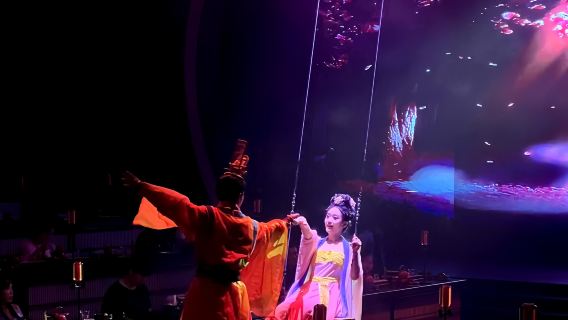
Kostenlose Stornierung
Sofortige Bestätigung
Jetzt für morgen buchen
ab 56,42 $
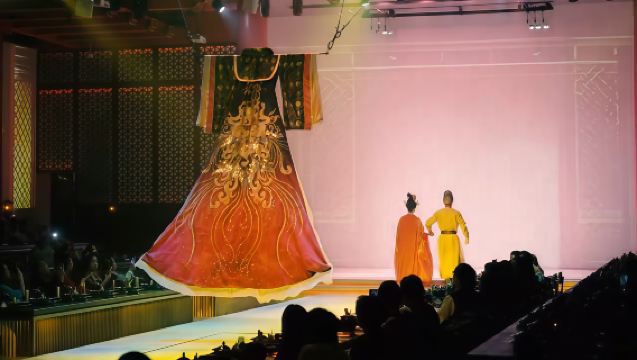
5,0/5
· 1 BewertungKostenlose Stornierung
Sofortige Bestätigung
Jetzt für morgen buchen
ab 56,42 $
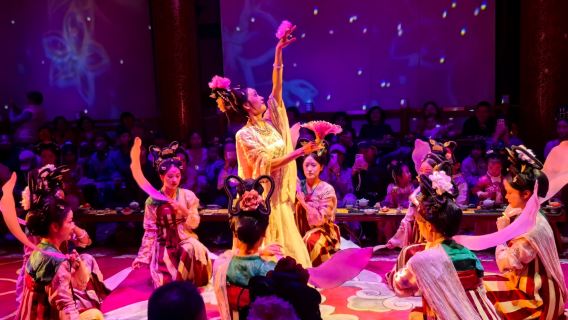
ab 49,10 $
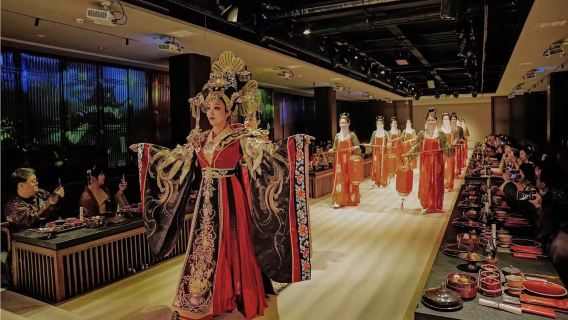
ab 37,46 $
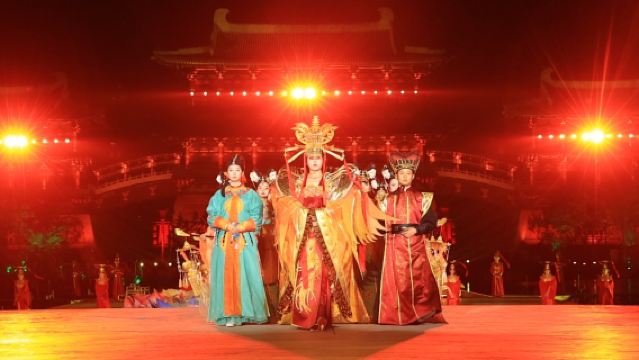
Spare 0,27 $
ab 26,27 $26,54 $
5,0/5
· 1 Bewertung· 40 gebuchtab 13,14 $
Ausgewählte Speisen und Getränke in Jiyuan
Alle Speisen und Getränke anzeigen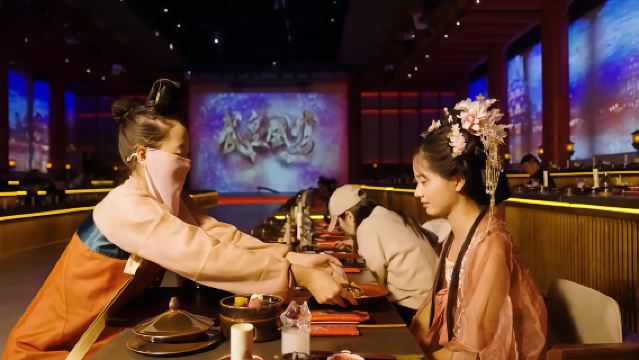
Kostenlose Stornierung
Sofortige Bestätigung
Jetzt für morgen buchen
ab 56,42 $
5,0/5
· 1 BewertungJetzt für morgen buchen
ab 32,84 $
Kostenlose Stornierung
Jetzt für morgen buchen
ab 40,90 $
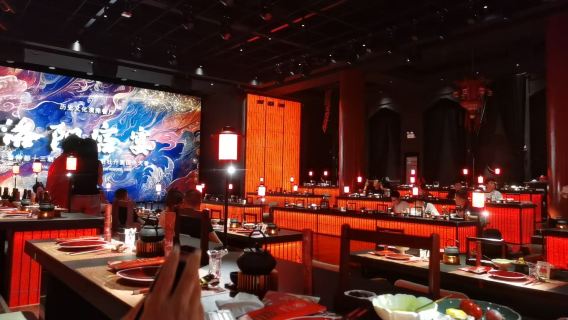
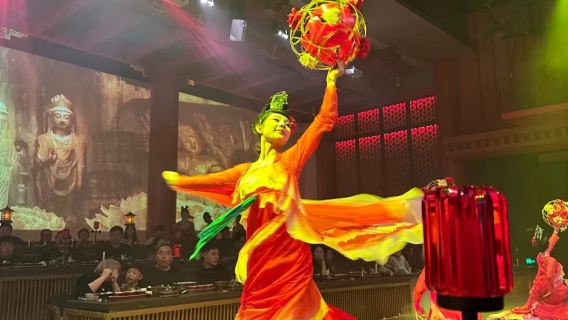
![Luoyang Palastbankett • Ein Bankett, das Sie 1000 Jahre zurückversetzt [Yingtianmen-Filiale] (Immersives kaiserliches Festmahl + audiovisuelles Spektakel + traditionelle Musik und Tänze)](https://ak-d.tripcdn.com/images/0350812000q184to00E40_C_568_320.jpg?_fr=wc)
4,9/5
· 23 Bewertungen· 550 gebuchtKostenlose Stornierung
Jetzt für morgen buchen
24 Buchungen in 7 Tagen
ab 29,55 $
![Kaiserliches Festmahl in Luoyang, Henan (Lao Cheng Kreuzstraße) [Höfische Küche + höfische Musik und Tanz + immersives Erlebnis eines kaiserlichen Banketts]](https://ak-d.tripcdn.com/images/0352q12000s3yw0bk0160_C_568_320.jpg?_fr=wc)
4,8/5
· 8 Bewertungen· 132 gebuchtKostenlose Stornierung
Jetzt für heute buchen
ab 29,55 $
Ausgewählte Outdoor-Erlebnisse in Jiyuan
Alle Outdoor-Erlebnisse anzeigen
5,0/5
· 1 BewertungSofortige Bestätigung
Jetzt für morgen buchen
Spare 0,67 $
ab 66,23 $66,9 $
5,0/5
· 1 BewertungSofortige Bestätigung
Jetzt für morgen buchen
Spare 0,64 $
ab 62,83 $63,47 $
5,0/5
· 1 BewertungKostenlose Stornierung
Sofortige Bestätigung
Jetzt für morgen buchen
Spare 1,17 $
ab 115,99 $117,16 $
![Tagesausflug zum Yuntai-Berg in Jiaozuo [Privater Kleinbus mit persönlichem Reiseleiter für 1-6 Personen]](https://ak-d.tripcdn.com/images//0585012000n3q848p0530_C_568_320.jpg?_fr=wc)
Kostenlose Stornierung
Sofortige Bestätigung
Jetzt für morgen buchen
ab 97,26 $
![[Luoyang-Pfingstrosenblütenfest] Privater Tagesausflug zu den Longmen-Grotten und dem Nationalen Pfingstrosengarten](https://ak-d.tripcdn.com/images/0350x12000rw4serwF5DE_C_568_320.jpg?_fr=wc)
Kostenlose Stornierung
Sofortige Bestätigung
Jetzt für morgen buchen
Spare 0,83 $
ab 82,71 $83,54 $
Kostenlose Aktivitäten in Jiyuan
Wangwu Mountain Scenic Area
Jiyuan · 30,9 km vom StadtzentrumYellow River Three Gorges Scenic Area
Jiyuan · 41,5 km vom StadtzentrumWulongkou Scenic Area
Jiyuan · 16,9 km vom StadtzentrumWhite Horse Temple
Luoyang · 38,4 km von JiyuanJidu Temple
Jiyuan · 4,9 km vom StadtzentrumXiaogoubei Scenic District
Jiyuan · 43,9 km vom StadtzentrumSofort verfügbar, Jetzt für heute buchen, Jederzeit stornierbarLongmen Grottoes
Luoyang · 58,6 km von JiyuanSofort verfügbar, Jetzt für heute buchen, Jederzeit stornierbarSui And Tang Dynasties Luoyang City Yingtian Gate Site
Luoyang · 45,2 km von JiyuanSofort verfügbar, Jetzt für heute buchen, Jederzeit stornierbarSui and Tang Luoyang City National Heritage Park
Luoyang · 45 km von JiyuanLuoyi Ancient City
Luoyang · 44,3 km von Jiyuan
Was Reisende über Jiyuan sagen

Anonymous user31. August 2026
5,0
虽说是4A,但是很值得一去。天气晴朗,蓝天白云,再加绵延的山脉,真是令人心旷神怡。如果腿脚不灵便,来回有缆车和索道,但总有一段要自己爬。最高点真的视野开阔。景区卫生也很好,厕所有纸且干净。
Wangwu Mountain Scenic Area

M47***757. Oktober 2025
4,0
景色是很不错,景区里的物品和娱乐项目价格真心不贵,唯独要吐槽的就是各式各样的套票,第一次去的根本分不清哪个项目在哪里,没有明确的标识牌,工作人员介绍的也不清楚,因为这绕了几次道,一样的娱乐设施在不一样的地方,其中一些套票可能就不包含,我个人建议是就买基础票,到里面碰到啥想玩的就单独花钱买,也多花不了多少钱,最起码省心,有不想玩的就直接跳过。
Yellow River Three Gorges Scenic Area

睡恣@M丶22. August 2021
5,0
山上植被茂盛,有丰富的原始次生林,为野生动物提供了良好的栖息条件。景区内群峰巍峨,沟壑幽深,飞瀑争流,风光奇伟。春回大地,桃红柳绿;雨季来临,云海翻腾;金秋时节,叶红柏翠;银装素裹之时,群峰下的温泉又给人们带来暖暖春意。
Wulongkou Scenic Area

Soh Kien Peng23. September 2026
5,0
From the main entrance of the Longmen Grottoes, we boarded bus no. 56 to the White Horse Temple (fare: RMB 1.50). The ride took a little over an hour. Admission is ticketed, and I paid RMB 35 for entry.Buddhism reached China via the Silk Road, carried by merchants, monks, and travelers from India and Central Asia. According to legend, Emperor Ming of the Han Dynasty dreamed of a radiant figure, interpreted as the Buddha. Inspired, he dispatched envoys westward, who returned with monks and scriptures borne on white horses — giving rise to the founding of the White Horse Temple. From here, Buddhism spread further east to Korea (4th century), Japan (6th century), and Vietnam, shaping the spiritual landscape of East Asia. The temple became the first center where Sanskrit texts were translated into Chinese, marking its role as the earliest Buddhist temple in China.Inside, the Hall of Heavenly Kings stood prominently, with statues of the Four Heavenly Kings and Maitreya guarding the grounds. We visited the tombs of Kashyapa Matanga and Dharmaratna, the Indian monks credited with introducing Buddhism to China, and wandered through the Pagoda Forest, where Tang to Ming dynasty pagodas commemorate generations of monks.The temple also houses International Buddhist Halls, built in the styles of India, Myanmar, and Thailand, each symbolizing Buddhism’s global reach and cultural exchange.Our exploration took about an hour. While the site may not overwhelm with grandeur, as a history enthusiast I found meaning in its quiet significance — standing at the very place where Buddhism first took root in China.
White Horse Temple

一叶落而天下知秋5. November 2020
5,0
济渎庙里的风景十分秀美,是典型的北方古代园林,也是古代道教祭祀胜地,为济源胜景之一。它是河南省现存最大的一处古建筑群落,被誉为中原古代建筑的“博物馆”。
Jidu Temple
Anonymous user3. Mai 2024
4,0
没有小交通联票,还以为不远,于是决定走进去,结果六公里,带孩子走了俩小时,下山坐景交十分钟,,,,奉劝大家一定要买小交通小蝌蚪特别多,小孩子玩水抓蝌蚪挺好的,农家乐也不贵,手工面才十块
Xiaogoubei Scenic District

Nuówēi rén10. Oktober 2026
5,0
The Longmen Grottoes are a testament to China’s rich culture and the hard work of the people who created them. You really get a sense of how much time and effort went into these carvings.If you speak English, I’d recommend getting a guide to better understand the history behind them.An amazing experience and definitely worth a visit!
Longmen Grottoes

Dhammiko20. September 2026
5,0
For this trip to Ying Tian Gate, our family got best deal, since it's provide us the epic show to find the culprit that stole the precious gems.. my family feel that this place should visit it again and again for the historical architecture and bug grand design.. Thank you for Trip.com to create this option for our family trip.. and for you who think to book it.. go ahead you may not regret it..I promise.. because you'll get the small gold ingots..
Sui And Tang Dynasties Luoyang City Yingtian Gate Site

300***361. Oktober 2026
5,0
告别洛阳的最后一早,趁着碎片时间打卡九州池,给了你我不一样的惊喜!运气很好的遇上国庆节的第一场民乐演出,和瑶光阁很配!
Sui and Tang Luoyang City National Heritage Park
Soh Kien Peng23. September 2026
5,0
From Yuntaishan, we boarded a bus bound for Luoyang. The journey was long — more than four hours on the road. We left at 2:30 pm and only arrived close to 7:00 pm, which meant our first day in Luoyang was largely consumed by travel. That evening, drained from the ride, I managed only a brief visit to Yingtianmen, illuminated against the night sky.The following day was devoted entirely to two of Luoyang’s most iconic sites: the Longmen Grottoes and the White Horse Temple. After exploring the temple, we caught bus no. 58 directly to Luoyi Ancient City. By then, the hours of walking through grottoes and temple grounds had left us physically exhausted. Still, the ancient city welcomed us with free admission and a promise of cultural immersion.Dinner was taken at a basement food court along Minzhu Street. By the time we finished, night had fallen, and Luoyi Ancient City had transformed. The streets glittered with lanterns, music pulsed through the air, and the atmosphere was electric. Crowds gathered near the lake to watch 天女散花 — the “Fairy Scattering Flowers” dance performance — though we chose not to linger.Luoyi Ancient City (洛邑古城) remains one of China’s most authentic living historic districts. Here, 3,000 years of dynastic history — from the Zhou to the Ming — can still be felt in its preserved city walls, pagodas, canals, and performances. It is not simply a relic of the past, but a vibrant cultural stage where history and daily life coexist.
Luoyi Ancient City