Beliebte Beste Attraktionen bei Nacht in Baoding [2026]

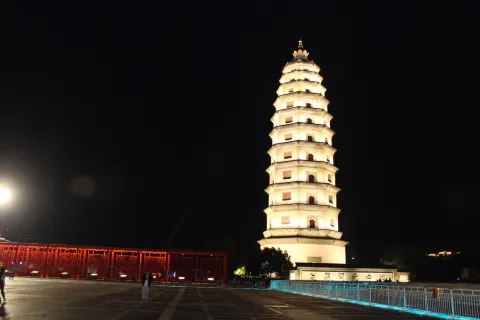
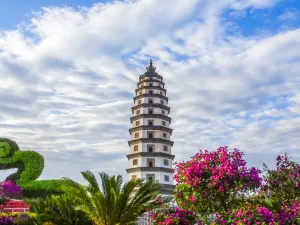
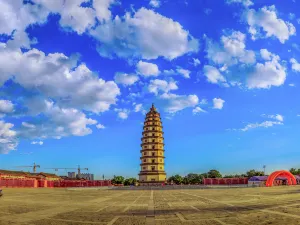
The Kaiyuan Temple Pagoda





🏯 [Zhengding Kaiyuan Temple Sumi Tower] A forgotten Tang Feng lonely shadow: In the crack of time, I heard the breathing of wooden structures 📍 Hebei Zhengding | Kaiyuan Temple Sumi Tower In the comet map of the four towers and eight temples on the ninth floor of Zhengding, the Sumi Tower is the most silent and least publicized. But the building that struck my heart most. It is not as magnificent as the Grand Pavilion of Longxing Temple, nor as strange as the Huata of Guanghui Temple, nor as the Zen-like of the Chengling Tower of Linji Temple. It is just standing quietly in Kaiyuan Temple, four squares, layered, like a closed ancient scripture, the cover mottled, but the word thousand. 1. "Humble" shape: Tang Feng's skeleton, Liao Dynasty's skin and flesh Sumi tower was built in the Tang Dynasty Zhenguan ten years (636), the existing tower body is the Jin Dynasty rebuilt, but its overall shape, still faithfully continued the Tang Tower's majestic skeleton - four square pavilion, masonry structure, thirteen-level dense, the height of about 42 meters. It has no delicate moths of the towers after the Song Dynasty, nor the complicated decorations of the Ming and Qing towers. Its beauty, not carved, but in proportion and rhythm: each floor of the mouth spacing is equal, the harvest is extremely slow, from the bottom up like a ladder, showing a nearly mathematical stately order. This is the essence of Tang Feng architecture - not dazzling skills, not clever, to "bad" to "big", to "Jane" to "heavy". Mr. Liang Sicheng once said: "Tang Dynasty architecture, like a gentleman, do not anger themselves." Sumitomo is the most silent footnote of this sentence. Second, the wooden structure of the "ghost": China's only Tang Dynasty wooden structure clock tower of the world-thrilling dialogue if the Sumitomo is "the epic of masonry", then the Kaiyuan Temple clock tower standing alongside it is "the ghost of the wooden structure". This bell tower is the only wooden structure bell tower in China in the Tang Dynasty (the upper floor is the Tang structure, the lower floor is repaired by the later generations), its bucket arch, pillar, beam frame, all retain the typical characteristics of the Middle and Tang Dynasty: Xiong Dashulang, curling natural, and far-reaching like wings. And the most shocking is its confrontation with the space of the Sumitomo Tower - brick, wood, a quiet movement, a soil, a wood, a shadow of the tower, a moth want to lift. They stand side by side, like a dialogue that spans thousands of years: the brick tower says, "I fight against time with immortality." The wooden tower answers: "I witness the years with breath." This is not only the juxtaposition of architecture, but also the coexistence of two civilizations: the heavyness of the north and the lightness of the south, Eternal pursuit and present existence. Third, the national treasure that is "undervalued": silent watch in the traffic era is fixed today, tourists are like weaving, but they go to Longxing Temple. In front of the Sumi Pagoda, there is often only the wind passing the bell, and the pigeon shadows are swept away. It is not like the Big Wild Goose Pagoda, nor does it carry the love legend like the Leifeng Pagoda. It has no poetic binding of "Night Bo Fengqiao", nor the visual spectacle of "Leifeng Xizhao". It only exists. This "forgotten" is precisely what it is. Here, you can't see the punch-in shooting, you can't hear the clamor. You can only look up and see the sky cut out by the layers of densely cut, and listen to the wind as it passes through the tower gap, such as
After entering the park, visit the site of the temple and feel the vicissitudes of history. Then go to the Kaiyuan Temple Tower, circle up the stairs, enjoy the inscriptions, murals, brick carvings, dougong color paintings on each floor, etc., and you can climb to the 7th floor. Finally, visit the exhibition room to learn more about the historical and cultural background of the Kaiyuan Temple Tower.

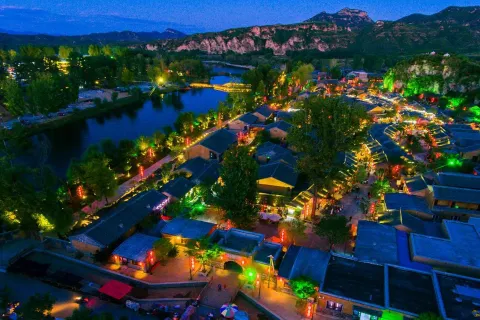
Lianxiang Taihang Water Town



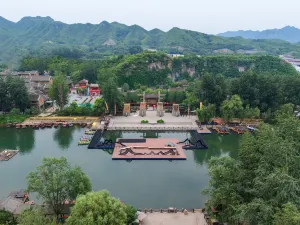
I went during the day. It is very close to Yishui Lake. It is estimated that it will be lively at night. It is a bit similar to the nature of Hetou Old Street in Tangshan, but it is not as good as Tangshan. It is still possible to walk your legs.
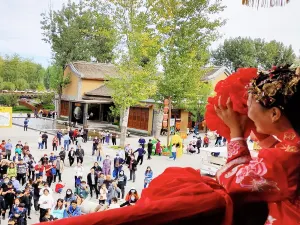
Lianxiang·Taihang Water Town is the first national night cultural and tourism consumption gathering area, and it is also a national 4A-level tourist scenic spot. Walking here, it seems to have stepped into a picture scroll with Taihang Mountain Stone and Yishui Qingbo. During the day, you can stroll around the water town, taste the authentic Taihang flavor, and wake up the memory of the taste buds. And those who like quietness can watch the fish quietly by the Yishui River and enjoy a moment of leisure in the "Little Jiangnan". When night falls, Lianxiang·Taihang Water Town will change into a night dress, so that you can enjoy romance and revel in the landscape. Real performance, water play, cute healing, dreamy scenery, natural forest, fireworks and food... In Lianxiang·Taihang Water Town, you will enjoy your exclusive summer time.

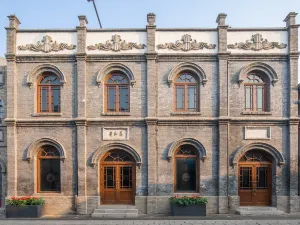
West Street


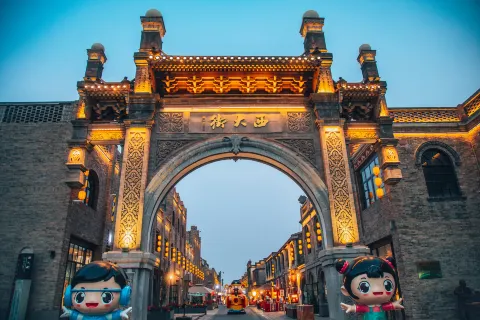
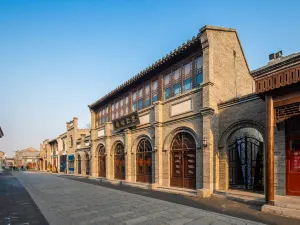
保定西大街东西长约800余米,始建于宋代淳化年间,是国内保存较为完好的具有明清、民国时期风貌特色的历史文化街区。街道以文化商业建筑为主,兼有衙署、学府、祠堂、水社、金融、传统民居建筑,曾被誉为“直隶第一街”和“北方名街”。淸末民初,政府拍卖官产,众多衙署成为商号店铺,西大街商业更为繁华。同时街道建筑受到西洋风格的影响较大,各个具特色的建筑样式构成了今天保定西大街独有的建筑风貌。
保定西大街(金钱胡同)处的杨公祠大约始建于明隆庆二年,33年后又建在皇华馆建了旌忠祠,不过云端望海从外观来看,西大街处的杨公祠规模小而且更新些,据说是在保定老城改造时进行了维修。如果从金钱胡同进杨公祠,则可以直接看到祠堂主殿,如果从西大街进则是先进一个院子,绕过之后才会看到这座坐北朝南的主殿。
No.
4
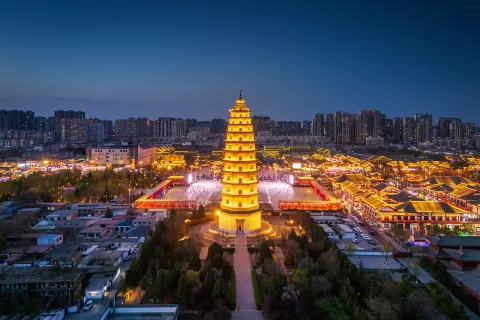
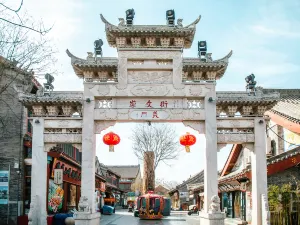
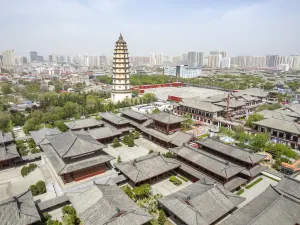
Dingzhou Ancient City

定州是保定下面的一个县级市,虽然不大,但是有一座宝藏博物馆和一座著名的古塔。定州古城就在古塔周围,古城门很高大,古塔周围的小巷很安静。仿古街上白天活动不多,商家也比较少,晚上或许会热闹些。
定州古城,这座位于北方的历史文化名城,自古以来就有“九州咽喉地,神京扼要区”的美誉。作为中山、后燕的故都,这里的历史底蕴深厚。南城门,又称“迎泰门”,是现存唯一的城门楼,进入城门后,便是古城的中轴线——中央大街。沿着这条大街一直向北,你会看到开元寺、汉王陵、贡院、大道观、文庙、晏阳初故居、王灏故居、自来佛庙、八角井、雪浪石、众春园等众多名胜古迹。历史上,定州孕育了廉颇、崔护、刘禹锡、程颐、程颢、张寒晖等历史名人,司马光、韩琦、苏轼等大家也在此工作生活。这里还有中国最高的古塔——开元寺塔,因其位于宋辽边境,边关将士常年在古塔守卫,所以这座古塔又被称为“料敌塔”,是国内唯一一座兼具军事功能的古塔。汉王陵的488块汉代铭石、文庙的星外飞来石、贡院的科举考棚、大道观的元代水陆壁画、众春园的苏东坡真迹题刻等,都是国内同类文物中的瑰宝。从宋代开始,为了防御外族入侵,定州城进行了大规模的修筑城墙工程,并在东南西北四个方向建成了城门、瓮城和月城。古城外环绕着护城河,主城门修建了重檐歇山顶的城门楼,形成了高8米、宽22米、总长26华里的古城墙。经过明洪武、万历,清康熙、雍正、道光年间的多次修缮,定州古城墙终于成为了一座坚固的城防堡垒和对外商贸交流的枢纽。然而,随着近代的变迁和城市的发展,定州古城墙大部分遭到破坏,四座城门也只剩下南城门幸存。南城门内的石板路、铁匠铺和老教堂依然存在,抚今追昔,金戈铁马的时代已经远去,边关古城如今已蝶变为现代城市。中央大街的车马驼铃已被公路汽车所替代,只有年老色衰的迎泰门还在坚守,守护着定州古城的历史记忆。